The Damp Pocket Drill: What to Do When Your Vape Meets British Weather
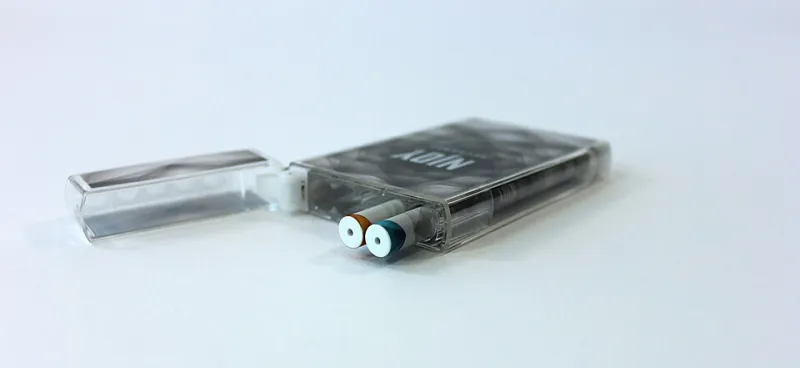
Photo: Lindsay Fox from Newport beach, United States, CC BY 2.0, via Wikimedia Commons
British weather has a talent for finding the one item you didn't zip up properly. A vape in a coat pocket on a drizzly walk, a pod left on a damp windowsill, or the classic washing-machine surprise — all of them can turn a normal day into a small equipment drama. The good news is that most wet-vape situations are annoying rather than dangerous. The better news is that knowing where the water got in, and whether it reached the battery, makes the decision much simpler.
First, the two-minute triage
Before you start dabbing at things with a tea towel, ask three questions.
Where has it been? A bit of drizzle on the outside of a closed pod device is a world away from a plunge into a puddle or a full cycle in the washing machine.
What kind of device is it? A sealed disposable, a pod kit with a removable battery, or a refillable mod with a battery compartment all behave differently when water gets involved. The battery is the part that matters most.
Are there any warning signs? Heat, a hissing sound, a screen flickering, a smell of burning or sweet solvent, or a battery that looks swollen. Any of those means stop — not later, now.
The harmless end: a damp pod and a dry battery
If the moisture is limited to the pod, mouthpiece or the outside of the device, and the battery section is dry, you are probably in the clear. Remove the pod, wipe it with a dry lint-free cloth, and check the air path. If water has got into the pod itself, bin the pod — not the whole device. A soggy pod can spit, gurgle and taste odd, and there is no sensible reason to vape through it.
Condensation inside a tank or around a mouthpiece is normal, especially when you move between a warm room and a cold street. That is not the same as a device that has been submerged. Wipe it, dry it, and carry on.
The grey zone: splashed, dropped in a puddle, or briefly dunked
This is where people tend to panic-dry in all the wrong ways. If the device got properly wet but the battery compartment may have stayed dry, switch it off, do not charge it, and remove the pod or tank. Dry the outside with a cloth, then leave it in a warm, ventilated room for at least 24 to 48 hours. Not on a radiator. Not in a bowl of rice. Just air.
Do not press the fire button to 'see if it works'. Do not plug it in to 'check the screen'. Water and live electronics are a poor combination, and a charging port is a direct route to the bits you least want wet.
Drying myths that need binning
Rice. It is a classic for a reason — it is what people have in the cupboard. It is also dusty, starchy and not especially absorbent in the way you need. It can clog ports and leave residue. Skip it.
The radiator or boiler cupboard. Gentle warmth sounds sensible, but direct heat can warp seals, stress the battery and trap moisture inside. A normal room is better.
A hairdryer. Hot air can push water further in and heat the battery. Static is not your friend either.
The microwave, oven or airing cupboard with the boiler. Absolutely not. A lithium-ion battery is not a damp phone, and heat is the last thing it needs.
'It'll be fine after a day.' Sometimes it will. But if water reached the battery, a day of drying does not make the risk disappear.
The stop line: when water meets the battery
This is the part worth remembering. A wet pod is a disposable annoyance. A wet battery is a safety issue. Stop using the device and do not charge it if you notice any of the following: it gets hot when it should be idle, it fires on its own, it makes a hissing or crackling sound, the screen behaves erratically, there is a burning or chemical smell, the battery looks swollen, or the charging port is corroded or green.
A swollen battery should not be poked, squeezed or charged. Put it somewhere cool and dry, away from anything flammable, and take it to a local household waste recycling centre that accepts batteries. Many UK councils accept small electricals and vapes at recycling points; retailers may also take them back. Do not put it in the general bin.
Laundry day: the washing machine scenario
A vape that has been through a wash cycle is not just damp — it has been submerged, agitated and exposed to detergent. Treat it as compromised. Remove the pod or coil, do not charge it, and do not use it. Detergent residue is corrosive, and water will have had plenty of opportunities to get into places you cannot see. For a sealed disposable, the sensible move is to retire it and recycle it properly. For a battery device, replacement is usually the safer and cheaper answer in the long run.
A pocket routine for wet UK days
A few small habits make this whole problem rarer. Keep your device in a zip-up pocket or a small waterproof pouch when the forecast is grim. Carry it upright rather than loose among keys and coins. Check coat pockets before the washing machine goes on — a ten-second pat-down saves a lot of grief. And if you carry a spare pod, keep it in a dry bag or a sealed pocket rather than the same damp corner as your keys.
The bottom line
Water and batteries are not a good pairing, but a wet pod is not a crisis. Dry the simple parts, respect the battery, and replace anything that has been properly submerged or is showing warning signs. Harm reduction is not just about what you inhale; it is also about not charging a damaged cell on the kitchen counter or puffing through a pod that has been sitting in a puddle. When in doubt, bin the pod, retire the device, and start again with something dry.