Frost on the Windscreen, Sense in the Pocket: A Winter Vaping Guide for UK Adults
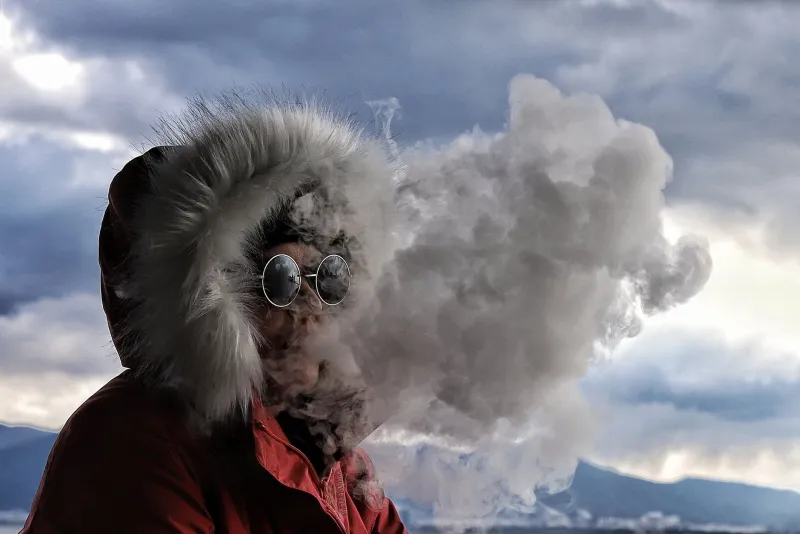
Winter in the UK has a way of making everything slightly more effort. The car needs scraping, the shed feels like a freezer, and your vape — which behaved perfectly in October — suddenly seems to have opinions. Thick e-liquid, a battery that drops faster than the temperature, and a tank that fogs up like a bus window. None of it is a crisis, but it is worth understanding.
This isn't about scare stories or pretending cold weather makes vaping dangerous. It's about small, sensible adjustments so your device keeps working properly and you don't end up frustrated, rushing, or reaching for something worse. Harm reduction works best when the practical stuff is easy.
Why cold weather changes the picture
Most vapes rely on a few simple things: a battery that delivers power, a coil that heats up, and e-liquid that flows into the wick. Cold affects all three. Battery chemistry slows down, e-liquid gets thicker, and condensation can appear in places you'd rather it didn't.
None of that means your vape is broken. It means the device is doing what physics says it should. Once you know what's happening, the fixes are mostly common sense — and a bit of patience.
Batteries: the bit that feels the cold most
If your vape seems to die faster outdoors in November, you're not imagining it. Lithium cells don't enjoy low temperatures. They don't fail because it's chilly, but they do become less efficient, which can look like a sudden drop in power or a device that cuts out earlier than usual.
A few habits help:
- Keep your device in an inside pocket rather than a bag or coat pocket that catches the wind.
- Don't leave spare batteries in the car overnight. A glovebox in January is not a storage solution.
- If your device has been outside for a while, let it come back to room temperature before charging. Charging a freezing battery isn't ideal.
- Carry a power bank or spare charged device if you're out for the day, especially if you rely on your vape to stay off cigarettes.
And a gentle reminder: if your battery wrap is damaged, stop using it. That's not a winter issue, it's a safety one. Cold weather is a good excuse to give your kit a once-over.
E-liquid: thicker than it was in summer
Vegetable glycerin — the stuff that makes vapour — gets thicker as it gets colder. That means it doesn't wick into the coil as quickly. If you're used to chain vaping at home, stepping outside into a cold snap can lead to dry hits, a burnt taste, or a coil that gives up earlier than it should.
You don't need to become a chemist. Just adjust:
- Give your device a moment between puffs. That little pause lets the wick catch up.
- If you're using a high-VG liquid outdoors, consider a slightly higher-PG mix for winter walks. PG flows more easily in the cold.
- Keep your e-liquid bottle in an inside pocket too. A frozen bottle is a slow bottle.
- If you get a dry hit, stop. Don't power through it. Top up, wait a minute, and try again.
Condensation, fogging and cracked tanks
Temperature swings are the real culprit here. Going from a warm pub to a cold street and back again can cause condensation inside your tank or pod. You might see fogging, a bit of gurgling, or a mouthful of spitting. It's annoying rather than alarming.
A few practical steps:
- Don't overfill your tank. Leave a little breathing room.
- Wipe the mouthpiece and any visible condensation with a tissue.
- If your tank feels loose or has a crack, retire it. Glass and plastic don't love sudden temperature changes, and a leak in your pocket is nobody's idea of fun.
- Avoid leaving your vape on a windowsill or in a car that gets direct winter sun and then freezes overnight.
Outdoor routines: slow down, don't rush
Cold weather encourages rushed puffs. You're standing at a bus stop, it's raining sideways, and you want the nicotine hit before the next 15 arrives. Rushing leads to dry hits, overheating, and a worse experience overall.
Try this instead: take a couple of gentler draws, give the coil a second, and don't treat your vape like a sprint. If you're using a higher-power device, cold air can make the vapour feel harsher, so a lower setting might be more comfortable outside.
If you're vaping outdoors in a public space, keep it considerate. Stand away from doorways, don't cloud up crowded shelters, and follow the rules of wherever you are. Responsible vaping isn't just about your own device — it's about the people around you.
Storage that actually makes sense
You don't need a temperature-controlled cabinet. You just need to avoid the obvious traps:
- Don't store your vape in a shed, garage or car through winter.
- Keep spare coils and e-liquid in a cupboard at room temperature, not next to a radiator.
- If you're travelling, pack your device in a case and keep it with you rather than in checked luggage or a cold boot.
- Give your device a few minutes to adjust when you come in from the cold before charging or heavy use.
When to just leave it alone
Some days are grim. If it's freezing, windy and wet, and your vape is gurgling like a drain, the best move might be to stop fiddling. Put it somewhere warm, let it settle, and come back to it later. A stressed device and a stressed you is a bad combination.
And if winter frustration makes you think about buying a pack of cigarettes, pause. That's the moment harm reduction matters most. A slightly fussy vape is still a better option than returning to smoking. Fix the small stuff, keep a spare coil handy, and give yourself a break.
The takeaway
Cold weather doesn't have to ruin your routine. Keep your device close to your body, let your e-liquid warm up a bit, don't rush your puffs, and check your tank for wear. Small adjustments, less faff, and a winter that's a bit easier on both you and your vape.
If you're using vaping to stay off cigarettes, the goal is simple: keep things working well enough that you don't need to look elsewhere. A warm coil and a bit of common sense go a long way.