When the Cloud Calls In Sick: A Midweek Vape Troubleshooting Guide
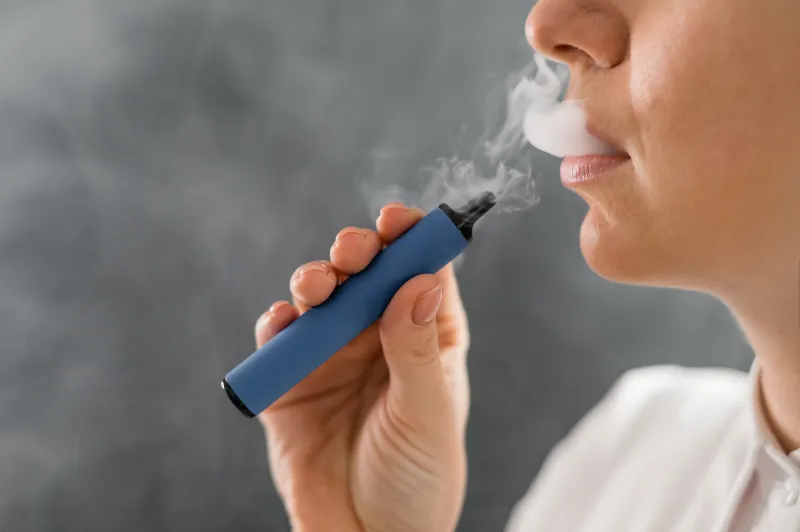
Photo: vaper cleaning pod vape contacts on kitchen table with cotton bud and cable, close up, via e00-elmundo.uecdn.es
When a vape dies on a Wednesday, the temptation is to assume the worst and buy a new one on the way home. Most midweek failures are one of five things, and four of them cost nothing to fix.
Work through this in order. It takes about ten minutes and saves a fair bit of money.
First, the three danger signs
Stop using the device and stop charging it if you notice any of the following.
- The battery looks swollen, bulging, or has lifted the casing.
- The device gets noticeably warm when idle, or fires on its own.
- There is a burning smell, discolouration near the port, or liquid leaking from inside the body rather than from the pod.
None of these are troubleshooting jobs. Bag the device, keep it away from anything flammable, and take it to a retailer or a household waste recycling centre that accepts small electricals. Do not put a swollen battery in a general bin, and do not post it.
With that out of the way, the ordinary faults.
Fault one: no power at all
Check the dull things first, in this order.
- Charge it properly. Fifteen minutes on a known-good cable and plug, not a laptop port that may be asleep.
- Look inside the charging port. Pocket fluff is the most common cause of a device that will not take a charge, and a wooden toothpick often lifts it out.
- Check the contacts where the pod sits. A dab with a dry cotton bud is usually enough.
- Try a different pod if you have one. Some devices will not fire with a pod that is not seated properly, and some look seated when they are not.
- Check it is switched on. Five quick clicks is the usual pattern, though not universal.
If none of that changes anything and the device is under six months old, that is a return, not a replacement purchase.
Fault two: power, but a pathetic wisp
You press the button, the light comes on, and the vapour is thinner than a sigh.
- Charge level. A device at 15 percent often behaves like a different product.
- Airflow. Many pods have a small ring at the base that has been nudged closed in a pocket.
- Liquid level. Running a pod too low is the fastest route to a dry hit and a dead coil.
- Coil age. If it has been in there a fortnight and you vape heavily, it is probably done.
- Cold. Vegetable glycerine thickens in the cold. A device that spent the night in a car will be sluggish until it warms up — and you should not charge a cold battery anyway.
If the draw is also gurgling, you have flooded the coil. Take the pod out, hold it over a tissue and give it a gentle flick. Do not blow hard through the mouthpiece; that pushes liquid into the airflow and makes it worse.
Fault three: the leak
Leaks are the fault people overreact to most. Half of them are condensation, not a leak — a thin film inside the mouthpiece and a little moisture under the pod is normal.
A real leak usually has one of four causes.
- Filling past the line, which pushes liquid straight down the airflow.
- A pod that has been in use too long, with a seal that has stiffened.
- A device left on its side in a warm car or a tight pocket.
- Tightening a pod like a wheel nut. Hand-tight is enough; forcing it distorts the seal.
Clean the contacts, dry everything properly, and give it a day. If it keeps leaking from the same place with a fresh pod, the fault may be in the device body rather than the pod, and that is a return conversation.
Fault four: the burnt taste
Burnt taste is nearly always the coil, and the coil is a wear item. But there are two avoidable versions.
- Dry burn. You filled a fresh coil and vaped immediately. Most coils want five to ten minutes to soak, and thicker liquids want longer.
- Too much power. If the device has adjustable wattage, a coil rated for a lower range will taste of ash at the top end.
Otherwise: replace the coil, prime it properly, and start low for the first few puffs. If a brand new coil tastes burnt within an hour on settings you have always used, check the liquid ratio — a very thick high-VG liquid in a pod designed for thinner liquid will struggle.
Fault five: charging gremlins
The device charges, but slowly, or only at a certain angle, or it stops at 80 percent.
- Swap the cable before you swap the device. Cables fail at the connector far more often than chargers fail.
- Try a different plug. A very cheap plug with poor output makes a healthy battery look broken.
- Clean the port, again.
- Check for lint in the pod chamber bridging the contacts.
Do not use a fast charger meant for a laptop unless the device says it is fine, and do not leave a device charging overnight on soft furnishing.
The decision tree
Once you have been through the five, you should be able to place the fault in one of four buckets.
Clean it. Contact issues, condensation, fluff in the port. Free.
Replace the consumable. Coil, pod, cable. Cheap, and part of normal ownership.
Return it. Under six months old, fault not caused by wear, device will not hold charge or fire with a known-good pod. Bring the receipt.
Retire it. Swollen battery, heat, auto-firing, damaged casing. Do not repair, do not pass it on.
A small prevention routine
Ten minutes on a Sunday saves most Wednesday problems. Wipe the contacts. Check the pod seal. Look at the coil colour and swap it if it is dark and tired. Charge to full with a cable you trust. Put a spare pod in your bag.
That is the whole routine, and it turns a midweek failure into an inconvenience rather than a crisis purchase from a corner shop at an inflated price.
When panic buying is the wrong answer
The worst moment to buy a replacement is when you are annoyed, out of nicotine and standing in front of a counter with limited stock. Troubleshoot first. Most of the time the fix is a coil, a cable or a clean — and the device you already own is fine.