A Quiet Word at the Chair: Vaping and Your Next UK Dental Check-Up
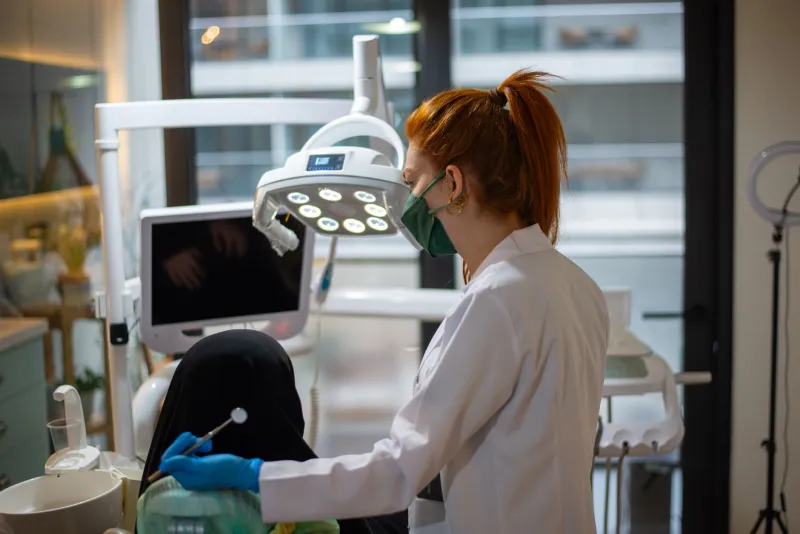
Most UK adults have been there: you are reclined in the chair, wearing a paper bib, and someone asks the familiar question about smoking. You pause. The honest answer is not a simple yes or no. It is something more like: ‘I don’t smoke cigarettes, but I do vape.’
That pause is normal. It can feel like a confession, especially if you are worried about being judged. But a dental check-up works better when the clinical picture is accurate. Your dentist or hygienist is not there to grade your lifestyle choices. They are there to look at your teeth, gums and soft tissues, and to give advice that actually fits your life.
This is harm-reduction thinking in practice: honest disclosure, practical care, and no shame spiral in the waiting room.
Why saying ‘I vape’ is useful, not shameful
Dental teams ask about smoking and vaping because both can affect oral health. If you vape nicotine, say so. If you vape occasionally, say that too. If you are using vaping to stay off cigarettes, that is relevant context — not a loophole, and not something to mumble.
A useful answer sounds like: ‘I stopped smoking cigarettes about eight months ago and I now vape nicotine daily. I use a refillable pod device.’ Or: ‘I still smoke occasionally, and I vape in between.’ The more accurate you are, the easier it is for the dentist to spot changes, ask the right follow-up questions and tailor their advice.
You do not need to deliver a speech. A short, clear sentence is enough.
What they may ask — and why
Your dental team may ask what type of device you use, how often you vape, whether you use nicotine, how long you have been vaping, and whether you have noticed dry mouth, bleeding gums, sensitivity or mouth ulcers. They may also ask about cigarettes, because dual use matters.
None of this is an interrogation. These questions help build a timeline. If your gums have changed since your last visit, or if you have a persistent dry mouth, the team needs to know what else is going on. Vaping may be one part of that picture; it is rarely the whole story.
If you are not sure how to describe your habit, keep it simple: what you use, how often, and whether nicotine is involved. That is usually enough to start a sensible conversation.
Vaping and smoking: context without a chemistry lecture
Smoking is a major cause of gum disease, tooth loss, staining and oral cancer. That is not a small point. If you have switched from cigarettes to vaping, you have made a meaningful change, even if vaping is not risk-free.
Vaping is not harmless. The evidence is still evolving, and nicotine is addictive. Some vapers notice dry mouth or staining, and dentists may want to monitor gum health more closely. But it is widely accepted that vaping is substantially less harmful than smoking. That does not mean your dentist will throw a party; it means the conversation should be proportionate.
You can say: ‘I know vaping isn’t zero risk, but I’m using it to stay off cigarettes. What should I be watching for orally?’ That frames the appointment around monitoring and practical care rather than a moral lecture.
Dry mouth: the practical bit
A dry mouth is not just annoying. Saliva helps protect teeth and gums, so if your mouth feels parched often, mention it. Some vapers find propylene glycol and vegetable glycerine can feel drying, especially if they vape frequently or drink too little water.
Simple steps help: sip water through the day, use sugar-free gum if it suits you, and go easy on sugary drinks and snacks. If dryness is persistent, ask your dentist whether a saliva substitute or an alcohol-free mouthwash might be appropriate. Do not grab a harsh mouthwash just because it sounds clinical; ask first.
A straightforward routine for vapers
The basics still do the heavy lifting. Brush twice a day for two minutes with fluoride toothpaste, and spit rather than rinse afterwards. Clean between your teeth daily with floss or interdental brushes. Keep sugary snacks and drinks to mealtimes where possible. Book regular check-ups, and do not wait for pain before you go.
If you vape, keep water nearby and pay attention to changes: bleeding when you brush, tender gums, bad breath that lingers, white patches, ulcers that do not heal, or teeth feeling more sensitive. Most of these things have ordinary explanations, but they are worth flagging.
If you are having treatment or oral surgery
Tell your dental team if you vape, especially if you are due to have a tooth out or any procedure that involves healing. Nicotine can affect blood flow, and your dentist may give specific advice about pausing around treatment. Follow that advice. This is not the moment to be private for the sake of it.
How to ask for harm-reduction-aware advice
You can steer the conversation without being confrontational. Try: ‘I’m using vaping to stay off cigarettes. What should I be watching for in my mouth?’ Or: ‘Can we focus on practical monitoring rather than just telling me to stop vaping?’ Or: ‘Are my gums showing anything that needs closer attention?’
If you get a generic warning, ask a specific question: ‘What are you seeing today, and what would you recommend in the meantime?’ That moves the appointment from shame to useful next steps.
A dental check-up is a check-in, not a confession. Be honest, ask for advice that respects your goals, and leave with a plan you can actually follow.